
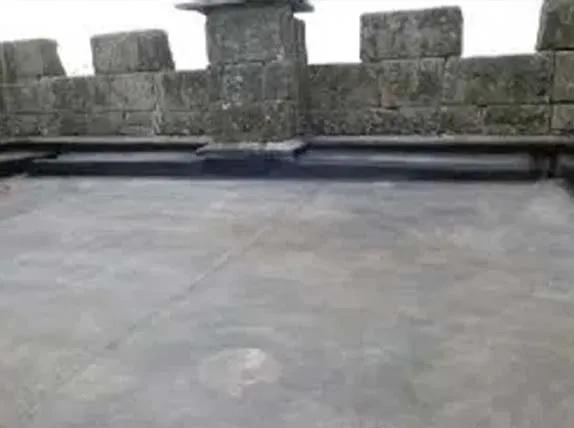
Flat roofs are a popular roofing style in the modern era. They provide an improved visual appeal and give the home a trendy, modern feel. However, a common problem with these roofs is that they frequently pool rainwater. It’s essential to address this issue immediately as it can lead to significant damage and eventually compromise the house’s foundation. In this post, we will be discussing why flat roofs so commonly pool rainwater and what you can do to address it.
1. Incorrect Roof Design
Flat roofs are often designed with a slight incline to allow the water to drain off, but this is not always the case. Flat roofs lacking incline directly contribute to rainwater pooling. The standing water adds extra weight, wears down the roofing material, and ultimately compromises the structure. If the incline is the problem of your flat roof, consult a roofing professional immediately.
2. Blocked or Poor Drainage
If your flat roof is pooling rainwater, it may be due to inadequate or blocked drainage systems. The water has nowhere to go, so it pools on the roof. Check for debris blocking the gutter or downspout and look for any standing water pooling around the drain. Get these cleaned immediately and make sure to keep up with ongoing maintenance.
3. Impractical Roofing Materials
Not all roofing materials are the same when it comes to dealing with water accumulation. Terracotta tiles, for instance, have gaps between them that can lead to much seepage of rainwater. TPO roofs are generally smoother and lack the small crevices that can lead to water accumulation and eventual damage. Consider having a professional assess the roof to identify what materials suit your environmental conditions and ensure proper roofing materials are installed.
4. Clogged or Wrong Roof Pitch
The pitch of a flat roof should allow water to drain off the roof into the gutters and downspouts. If the pitch is too low or nonexistent, rainwater pools on top of the roof. Examine your roof’s pitch to ensure that it is designed correctly. Failure to address this problem can cause significant damages to your home and will lead to more severe roofing issues.
5. Age of the Roof
The age of the roof could also be a factor. Over time, roofs weather, and the slope may flatten, leading to water accumulation. If your flat roof is on the verge of expiration, consider either reconfiguring the slope or replacing the whole roof.
Conclusion:
In conclusion, it’s important to attend to a flat roof that pools rainwater as soon as possible to prevent issues such as mold, water damage, and ultimately, foundation damage. Regular maintenance, cleaning, and inspection, as well as getting a roofing professional to assess the conditions and make recommendations can help ensure that your flat roof will continue to provide optimal protection against the elements. Contacting a roofing professional is the best way to get started with addressing this issue.